In New Bedford, MA, residential fence installation has become a popular way to enhance property value, improve security, and create outdoor spaces. This article guides homeowners through the process, from understanding local regulations and choosing the right company—such as those specializing in wood, vinyl, or chain-link fences—to maintaining your new fence for longevity. By following these steps, you’ll ensure a beautiful and functional addition to your home.
- Understanding Residential Fence Installation in New Bedford
- Choosing the Right Fence Company for Your Project
- The Types of Fences and Their Benefits
- Tips for Maintaining Your New Fence Installation
Understanding Residential Fence Installation in New Bedford
Residential fence installation in New Bedford involves a process of assessing your property, selecting suitable fencing materials and designs, obtaining necessary permits (if required), preparing the site, constructing or installing the fence, and finally, clean-up and completion checks. It’s crucial to choose a reputable company with experience in navigating New Bedford’s local regulations and unique landscape. The right installer will offer personalized advice on fence types best suited for your needs, whether it’s security, privacy, aesthetic appeal, or a combination of these factors.
In this city, where homes vary from historic to modern, and backyards can range from level plots to sloped gardens, the expertise of a skilled installation team is invaluable. They bring knowledge of local conditions, such as snow and wind loads, and understand how to ensure your new fence stands strong against New Bedford’s climate and potential environmental challenges.
Choosing the Right Fence Company for Your Project
When selecting a residential fence installation company in New Bedford, MA, it’s crucial to choose a provider that aligns with your project’s unique needs and vision. Start by assessing their portfolio and evaluating the styles and materials they offer. Look for companies that specialize in your desired fence type—whether it’s wood, vinyl, or chain-link—to ensure expert craftsmanship.
Read reviews and ask for references to gauge customer satisfaction. Consider factors like experience, licensing, and insurance to verify their professionalism. Meeting with potential contractors face-to-face allows you to discuss details, get personalized estimates, and assess their communication skills—all vital aspects of a successful collaboration on your fencing project.
The Types of Fences and Their Benefits
When considering fence installation, homeowners in New Bedford have a variety of options to choose from, each offering unique benefits. Wood fences, for instance, are popular for their classic aesthetic appeal and ability to provide a natural look that enhances outdoor spaces. They require regular maintenance but can last for decades with proper care. Vinyl fences, on the other hand, are low-maintenance and highly durable, making them ideal for those seeking a long-lasting solution without the hassle of painting or staining.
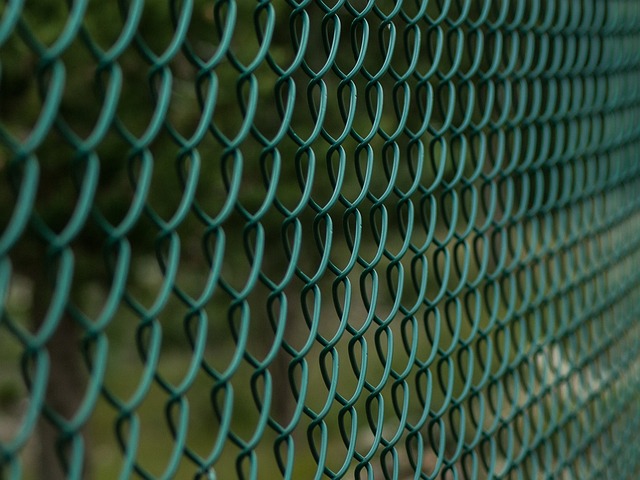
Chain link fences offer security and privacy at an affordable cost, making them suitable for backyard installations or securing large properties. They are versatile and easily customizable with various mesh sizes to suit different needs. Additionally, modern fencing options like iron or steel fences provide both strength and visual appeal, adding a touch of elegance to any residential property.
Tips for Maintaining Your New Fence Installation
After your new fence installation in New Bedford, MA, proper maintenance is key to ensuring its longevity and preserving its aesthetic appeal. Start by regularly cleaning your fence using a soft brush or hose to remove any dirt, debris, or mold buildup. A simple solution of mild detergent and water is effective for most materials, including wood, vinyl, and metal.
Avoid using harsh chemicals or power washers, which can damage the fence. For wooden fences, apply a fresh coat of sealant or paint every few years to protect against weather exposure and bugs. Regular inspection is also crucial; look for any signs of damage, rot, or corrosion and address them promptly. Keep trees and shrubs trimmed to prevent branches from rubbing against the fence, which can cause wear and tear.